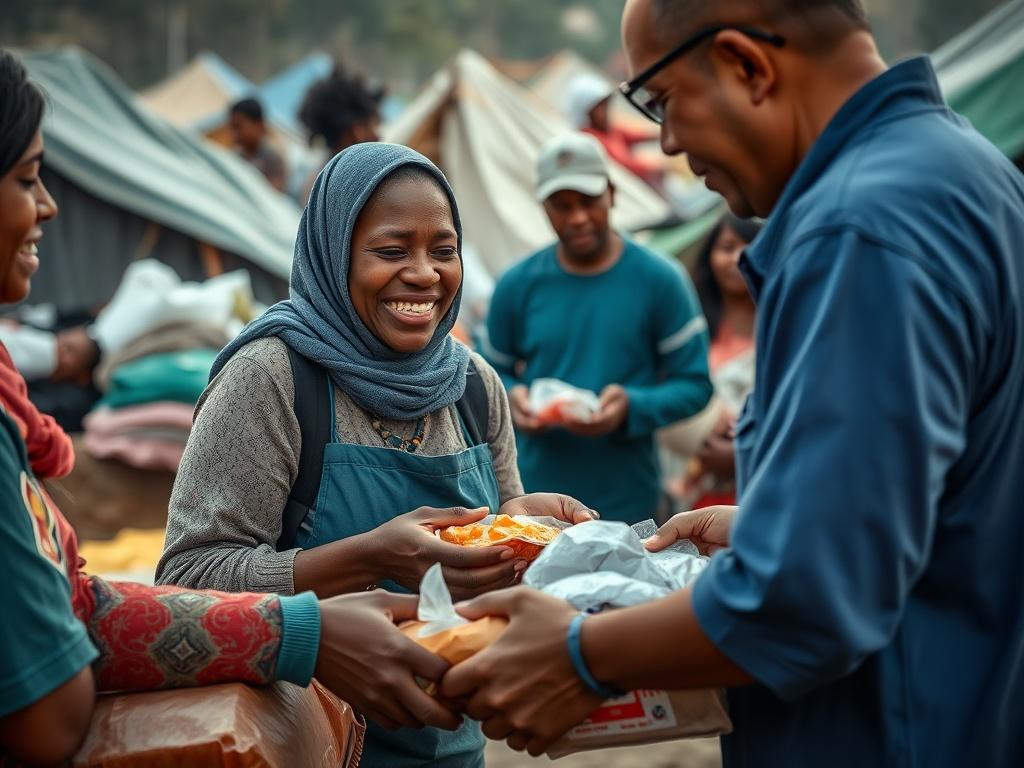
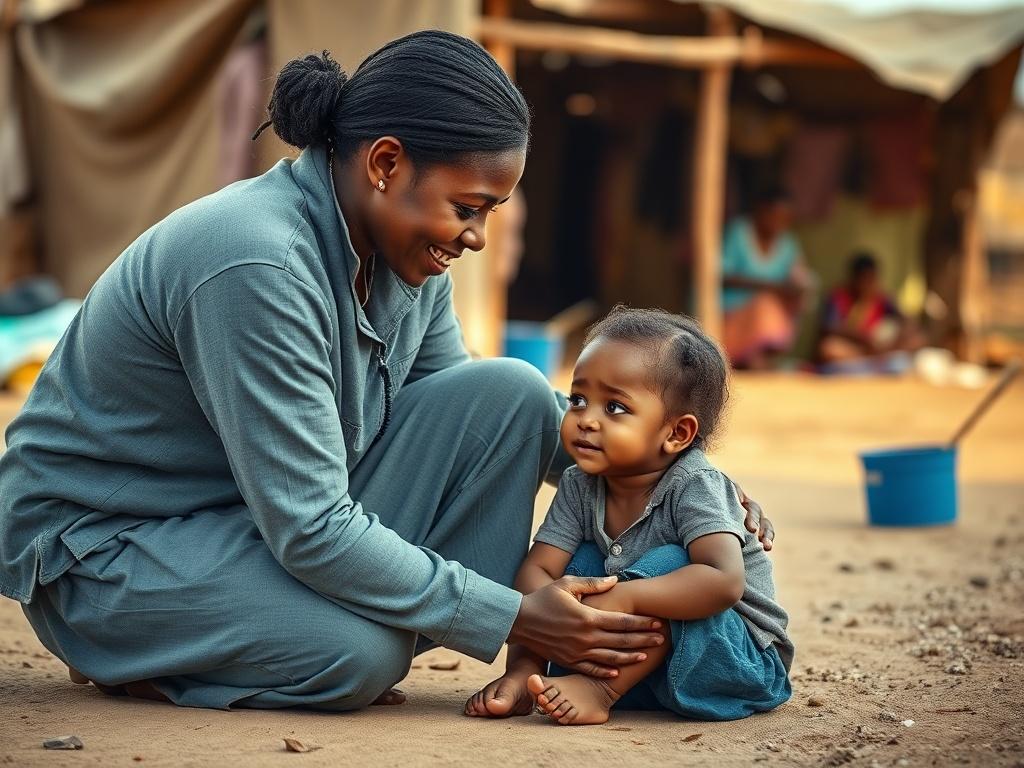
In today's rapidly changing global landscape, the importance of authenticity in humanitarian work cannot be overstated. Authenticity serves as the cornerstone of effective humanitarian efforts, influencing not only how organizations engage with communities but also how they deliver essential assistance. When humanitarian workers embody genuine values and purpose, they foster an environment where trust is built and lasting relationships flourish. This blog will delve into the critical role authenticity plays in shaping successful interventions and highlight its significance in achieving meaningful outcomes for those in need.
Explore how authenticity cultivates trust and collaboration in humanitarian work, transforming initiatives from mere transactional exchanges into heartfelt partnerships. By examining real-world examples, we will illustrate how organizations that prioritize authenticity create a more profound impact on the communities they serve. Join us as we uncover the transformative power of being true to oneself and the communities we aim to uplift, and learn how embracing authenticity can revolutionize humanitarian efforts across the globe.
Understanding authenticity: The cornerstone of effective humanitarian efforts
Authenticity serves as the foundation for successful humanitarian efforts. In a sector often scrutinized for lack of transparency, genuine intent and actionable commitment are essential. Authenticity means being true to the mission and values that guide humanitarian workers. It involves acknowledging the complexities of the issues at hand and engaging with communities in ways that honor their dignity and choices. By grounding initiatives in authenticity, organizations not only enhance their credibility but also carve pathways to meaningful impact.
Furthermore, authenticity enhances communication and community involvement. When humanitarian workers express their true selves and intentions, they foster open dialogues with local populations. This openness encourages community members to share their needs, aspirations, and concerns, which leads to more tailored and effective solutions. Ultimately, those embarking on humanitarian missions must prioritize authenticity in their approach, as it lays the groundwork for trust, understanding, and lasting relationships that drive genuine change.
Explore how authenticity cultivates trust and collaboration in humanitarian work
Authenticity serves as a powerful catalyst in building trust among stakeholders involved in humanitarian efforts. When organizations operate transparently and uphold their values, they demonstrate a genuine commitment to their mission. This commitment fosters an environment of openness, where community members feel valued and empowered to share their perspectives. As a result, individuals are more likely to engage with the humanitarian initiatives, enhancing participation and community buy-in. Trust becomes the foundation for lasting relationships, enabling organizations and communities to work together effectively towards shared goals.
Moreover, authenticity encourages collaboration among various humanitarian actors, including NGOs, local communities, and governmental agencies. When organizations prioritize genuine dialogue and respect local knowledge, they break down barriers that often hinder cooperation. This collaborative spirit not only streamlines efforts but also leads to innovative solutions tailored to community needs. By ensuring that their actions align with their words, humanitarian organizations inspire others to do the same, creating a ripple effect of authenticity that enhances overall impact. Ultimately, the cultivation of trust and collaboration through authenticity enables more resilient and effective humanitarian efforts.
Real-world examples: How authenticity transforms humanitarian initiatives
Organizations such as Médecins Sans Frontières (Doctors Without Borders) exemplify authenticity in humanitarian efforts by prioritizing transparency and accountability. Their commitment to communicating openly about their missions, challenges, and successes fosters trust among the communities they serve. For instance, during crisis relief efforts in countries like Yemen and Mozambique, Médecins Sans Frontières remains transparent about resource allocation and partnership collaborations. This authenticity not only strengthens relationships with local populations but also encourages other organizations to adopt similar honest practices, ultimately enhancing the overall effectiveness of humanitarian aid.
Another compelling example comes from the grassroots organization, GlobalGiving, which empowers local leaders to design and implement community-driven projects. By valuing the insights and experiences of those directly affected by humanitarian issues, GlobalGiving demonstrates that authenticity is key to creating effective solutions. Initiatives like their COVID-19 response fund allow local communities to express their unique needs, thereby ensuring that assistance is tailored and impactful. Such authentic engagement not only improves project outcomes but also builds a culture of mutual respect and collaboration among stakeholders, paving the way for sustainable humanitarian success.